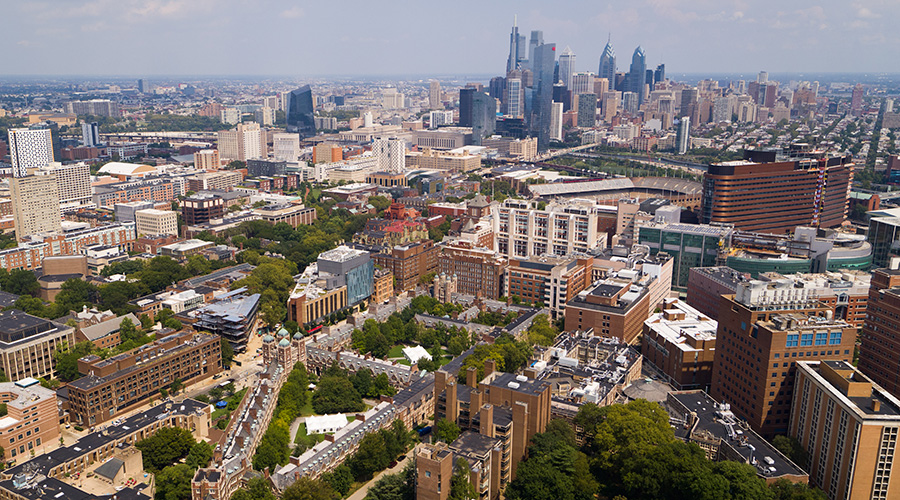
Excitement is building on the fifth floor of the Van Pelt-Dietrich Library Center, as a campaign to transform the Center for Global Collections is underway.

A Hub for Global Engagement
The Penn Libraries has big plans for a state-of-the-art space for its Center for Global Collections
Published: September 15, 2023
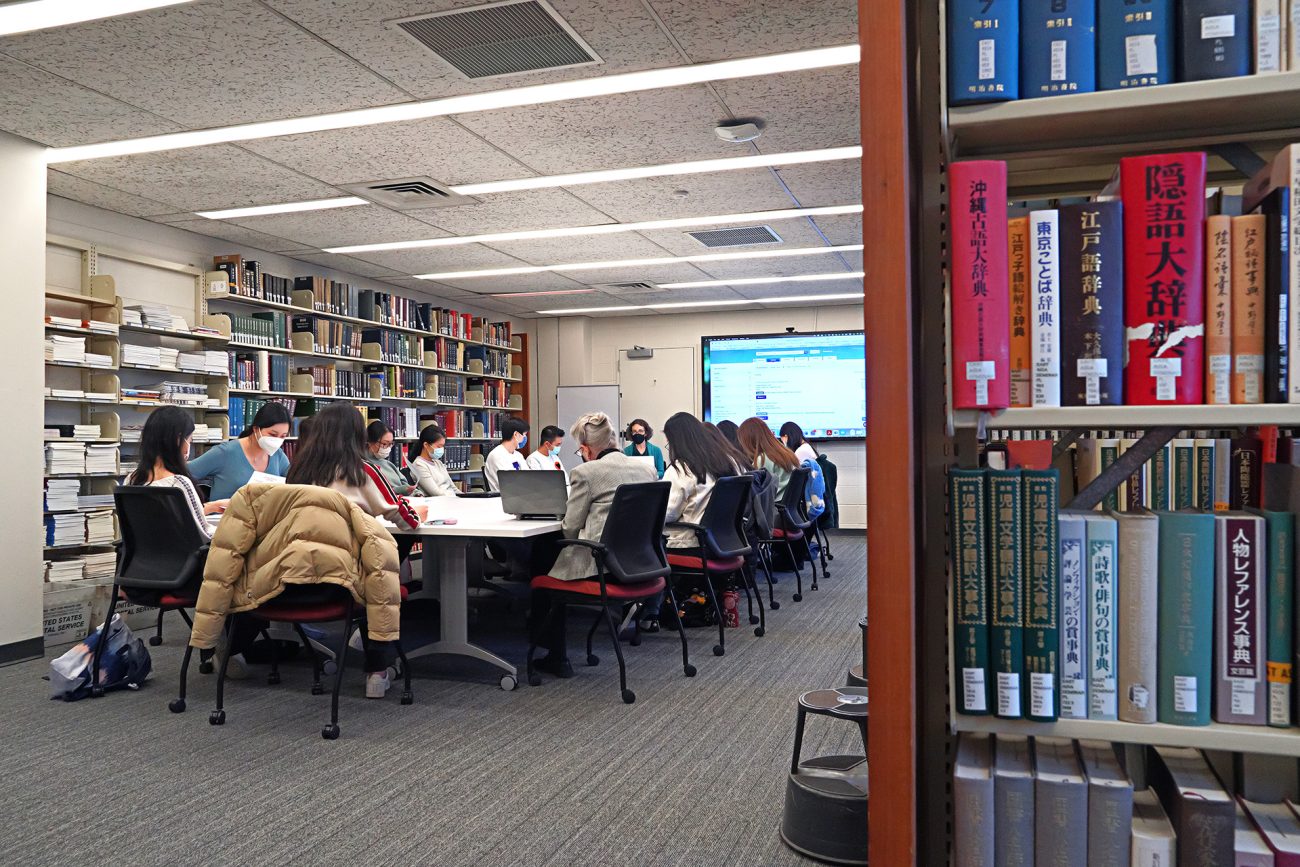
This world-class Center already boasts expert librarians and pre-eminent collections. Rare and unique items include the 20th-century Women Photographers Collection in the Japanese Studies holdings, Ukrainian children’s books in the Slavic and East European Studies collection, and Pakistani film posters in the South Asian Studies collection. A planned $15 million renovation will transform what is currently a collection of area studies stacks, objects, study rooms, and office space into a modern hub for engagement that will allow students and scholars to engage with a diversity of cultures and societies around the world.

Brian Vivier, the inaugural director of the Penn Libraries Center for Global Collections, is excited about what this renovation means for the Center’s future. “We’re building beyond the obvious with this new space, and we plan to center lesser-known global voices,” says Vivier. “Students, scholars, and the public will benefit from lectures, exhibitions, expertise, seminars, and the Penn Libraries’ global studies holdings when this renovation is complete.”
When finished, the new Center for Global Collections will be much more than a traditional library. The space will leverage the Libraries’ global studies holdings and expertise, and it will offer world-renowned resources for scholars interested in exploring unique collections from Africa, Latin America, the Middle East, Russia and Eastern Europe, Mongolia, Korea, Japan, South Asia, China, and more.
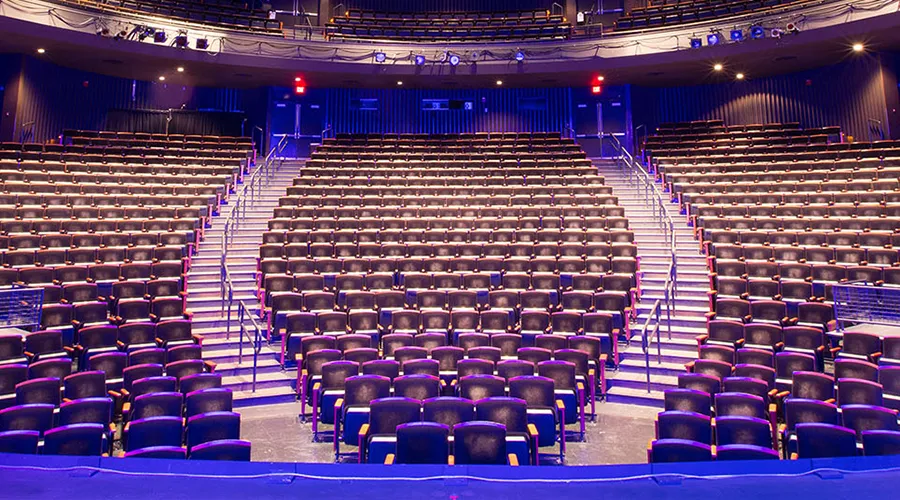
Generous support from the Libraries’ volunteer leadership is propelling the project forward. A $1.5 million gift from Stacey Bennett, C’95, an incoming member of the Penn Libraries’ Board of Advisors, along with her brother, Board of Advisors Chair Erik D. Gershwind, W’93, will name the Gershwind-Bennett Family Forum. At the same time, a $1 million gift from Board of Advisors members and cousins Eric G. Reiter, W’97, and Mark D. Rosenbaum, W’95, will name the Reiter-Rosenbaum Family Gallery.
“The revitalized Center for Global Collections will be made possible through gifts like these from our generous Penn Libraries Board of Advisors members,” says Brigitte Weinsteiger, the Penn Libraries Interim H. Carton Rogers III Vice Provost and Director and Gershwind & Bennett Family Senior Associate Vice Provost for Collections and Scholarly Communications. “This strong leadership support provides the momentum we need to shape the Center into an important destination for students and scholars who want to explore and preserve the histories, perspectives, and cultural contributions of people around the world.”
While the pre-construction fundraising is ongoing, Penn students are already experiencing the benefits of the Penn Libraries’ global offerings. Dotno Pount, GR’23, has made considerable use of the Mongolian collection. “Penn’s Mongolian holding is remarkable for its completeness, and many rare, old books are included in it, alongside newer publications,” says Dotno, who is also teaching classes in the East Asian Languages and Civilizations Department this year. “Many of my projects wouldn’t have been possible without the Mongolian collection. Not only have I routinely found crucial materials for my research, but casual browsing of the collection has allowed me to develop a mental map of the Mongolian-language literature that exists.”

Numerous collections highlight voices that are too often at the periphery of academic research. Indo-Caribbean postcards, Latin American indigenous children’s literature, and Kurdish satirical comic books exist in the Global Collections to illustrate the distinct culture of geographic regions through items often treated as marginal. The Center for Global Collections also offers programming, with future events planned to bring together scholars, authors, and speakers from across the globe.
Programming is also slated to begin even before the renovation is complete. Vivier’s plans include a globally focused lecture series that will highlight transregional movements related to ethnic minorities, global LGBTQIA+ rights and disability studies, refugee advocacy, and many other ambitious topics. “Our new center will facilitate the magic of the Penn Libraries, and we’re deeply invested in creating spaces that matter in a profound way,” says Vivier.
To learn more about naming opportunities in support of the Center for Global Collections, email Sam Duplessis, Senior Director of Advancement, or call (215) 573-3609.